You can usually feel the moment when your pet is trying to tell you something. It might show up as a look that lingers, a sudden behavior change, or a quiet sense that there is more beneath the surface. If you have been wondering how to ask pets questions in a way that feels loving, grounded, and real, the first thing to know is this: your animal does not need perfect words. They need your presence.
Pets are always communicating. They speak through body language, energy, emotion, routine, and the bond they share with you. Asking them questions is less about forcing an answer and more about creating space for connection. When you approach that space with sincerity, patience, and an open heart, you may be surprised by how much your pet has to say.
How to ask pets questions with intention
Before you ask anything, slow down. Many pet parents want answers right away, especially when they are worried. That makes sense. If your dog has become withdrawn, your cat is acting out, or you are carrying grief after a loss, your heart wants relief. But animals tend to respond most clearly when the energy around the question is calm.
Start by sitting near your pet or simply bringing them to mind if they are not physically with you. Take a few slow breaths. Let your body soften. This matters because animals are deeply sensitive to emotional energy. If your question carries panic, they may respond to the emotion rather than the words.
Then ask one clear question at a time. Instead of sending a tangled stream of thoughts like, Why are you doing this, are you upset, is it your food, did I do something wrong, what do you need, try something simpler. You might ask, How are you feeling right now? What do you want me to understand? Is there something bothering you? Clear questions invite clearer impressions.
The goal is not interrogation. It is relationship. You are opening a conversation with a being who has feelings, preferences, memories, and wisdom of their own.
What a good question sounds like
The most helpful questions are gentle, specific, and open enough for your pet to answer in their own way. A yes or no question can be useful at times, but deeper questions often create more meaningful insight.
You might ask, What do you love most about our home? Do you like this new pet sitter? How do you feel when that visitor comes over? Is there something you want me to know about your body? What would help you feel safer?
Notice the difference between curiosity and control. A question like, Why are you being difficult, carries judgment. A question like, What are you trying to show me, carries respect. Animals respond to that difference.
If your pet is dealing with a major transition, your questions may also shift. An aging animal may want to share comfort needs or emotional fatigue. A newly adopted pet may need time before discussing trust. A passed animal may communicate around love, reassurance, or unfinished emotional threads. It depends on where they are and what the relationship is asking for in that moment.
Ask from the heart, not from fear
This is one of the most important parts of learning how to ask pets questions. Fear tends to tighten the channel. Love tends to open it.
That does not mean you have to be perfectly peaceful. You are human, and your concern is part of your devotion. It simply means noticing your fear before you ask, taking a breath, and letting your question come from care instead of urgency.
When your energy softens, your pet often feels safer sharing what is true.
How pets answer
Most people expect words. Sometimes words do come through as sudden thoughts, short phrases, or a clear inner knowing. But often, pet communication is more subtle than that.
Your pet may answer through a feeling in your body, a mental image, a memory that pops in unexpectedly, or a strong sense of yes, no, comfort, resistance, sadness, or relief. You may hear the answer internally in a tone that feels different from your usual inner voice. You may also notice confirmation in the physical world, like your pet relaxing, moving closer, or changing behavior after you acknowledge what they shared.
This is where trust becomes essential. Many loving pet parents dismiss the first thing they receive because it seems too simple or too imagined. Yet the first impression is often the clearest. Animals communicate with honesty. Their messages can feel direct, emotional, even surprisingly practical.
If you ask your dog what is upsetting him and suddenly picture the trash truck, do not brush that off. If you ask your cat what she needs and immediately feel the word quiet, pay attention. Communication often begins as a whisper, not a performance.
Creating the right space for connection
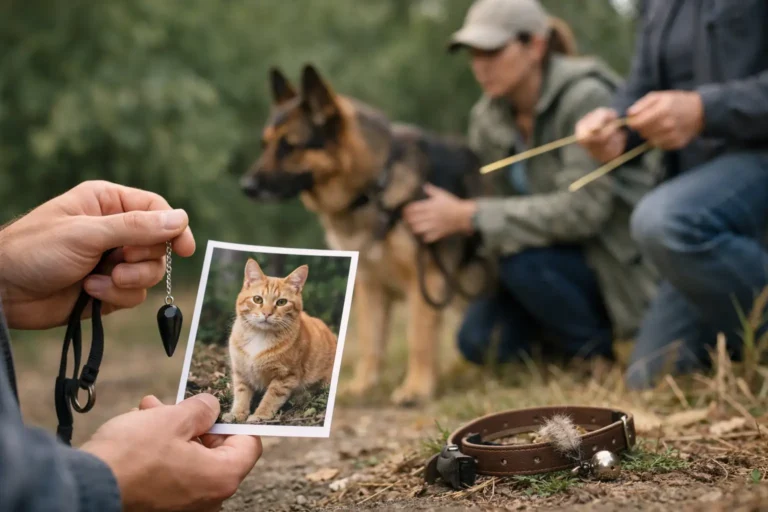
You do not need a perfect ritual, but a supportive environment helps. Choose a moment when you are not rushing. Turn off distractions. Sit somewhere your pet feels safe, or hold a photo if your animal is not beside you. Let this be a sacred pause rather than another task on your list.
Some people like to place a hand over their heart before they ask a question. Others gently place a hand near their pet if the animal welcomes touch. The form matters less than the intention. What matters is that your pet feels invited, not pushed.
If your animal walks away, gets restless, or seems uninterested, respect that. Consent matters in spiritual communication just as much as it does in physical interaction. You can try again later. Connection deepens when both beings feel honored.
Questions to avoid when emotions are high
When you are upset, it is easy to ask loaded questions. Why are you doing this to me? Are you unhappy here? Are you trying to leave? Those questions carry pain, and sometimes guilt. Your pet may feel your distress more strongly than the question itself.
If emotions are intense, begin with something softer. I love you. I want to understand. Is there anything you need me to notice? That kind of opening can bring more clarity and less pressure.
This is especially true in moments involving illness, grief, or missing pets. The bond is tender there. Grounding yourself first helps you hear what is present rather than what fear is shouting.
When asking questions brings up bigger answers
Sometimes you ask about a behavior and receive something deeper. A pet who is acting clingy may be responding to changes in the household energy. A dog who suddenly resists walks may be feeling physical discomfort, emotional overstimulation, or even mirroring your own stress. A cat who hides may be asking for more safety, not more correction.
This is one reason pet communication can feel so healing. It gently shifts the focus from fixing behavior to understanding experience. Once you know what your animal is feeling, harmony becomes more possible.
Of course, intuitive insight is not a replacement for veterinary care or practical support. If your pet is showing signs of pain, illness, or distress, medical attention matters. The spiritual and the practical can work together. Often they should.
If you are not sure you are receiving clearly
That is normal. Doubt is common, especially when the connection matters deeply. You may worry that you are making it up or projecting what you want to hear. Sometimes that happens. Sometimes your own emotions color the message. That does not mean the process is false. It means discernment is part of the relationship.
A helpful approach is to write down the question you asked and the first response you sensed. Do not edit it right away. Over time, patterns emerge. You may notice that the messages carry a consistency, gentleness, or perspective you would not have invented. You may also see where your own fears tend to step in.
And if you feel too emotionally close to hear clearly, there is no shame in seeking support. Sometimes the most loving thing you can do is ask for guidance from someone who can hold the connection with compassion and clarity. Animal Communication with Tori offers that kind of heart-centered space for pet parents who want to hear what their animals have to say.
How to ask pets questions when the bond feels strained
If there has been tension, behavior issues, distance, or hurt feelings, begin with repair before inquiry. Let your pet know you are willing to listen. Speak aloud or silently and say, I want to understand your experience. I am here with love. You do not have to force the rest.
Animals often respond beautifully when they feel seen instead of managed. Even one sincere question can open a doorway back to trust.
Your pet does not need polished spiritual language. They do not need you to be psychic on command. They need honesty, presence, and a willingness to hear them with your heart. Sometimes the clearest answer arrives the moment you stop trying so hard and simply sit beside the soul who has been speaking to you all along.