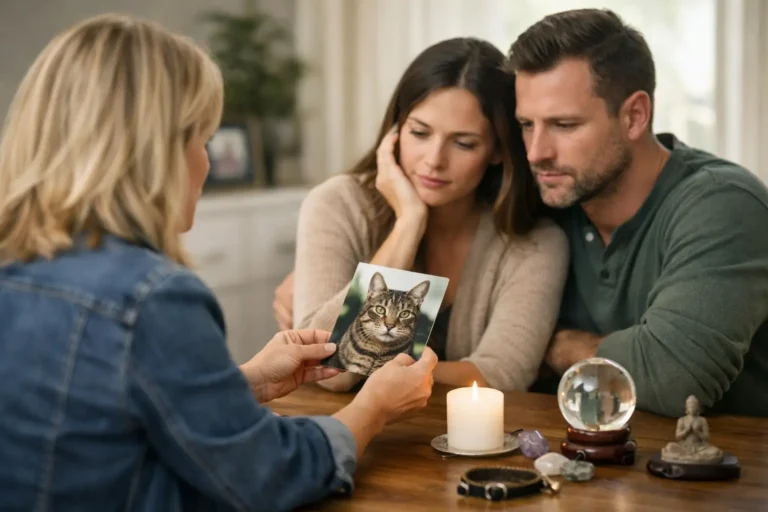
When your pet is sick, even small changes can feel enormous. A missed meal, a distant look, a sudden shift in energy – these moments can leave you asking, can animal communication help sick pets in a way that truly matters? For many pet parents, the answer is yes, not as a replacement for veterinary care, but as a gentle source of emotional insight, connection, and peace.
Can animal communication help sick pets in a meaningful way?
It can, especially when what you need most is understanding. Illness affects more than the body. It can change your pet’s mood, routines, tolerance, energy, and sense of safety. It can also stir up fear, guilt, and helplessness in the humans who love them.
Animal communication offers a different kind of support. It seeks to tune into your pet’s emotional and energetic experience so you can better understand what they may be feeling, what they want you to know, and where they may need comfort. In many cases, this creates a deeper sense of harmony during a time that can otherwise feel confusing and heartbreaking.
Some pet parents come to a session because their animal has a diagnosis and they want to know how their pet is coping. Others feel there is something their animal is trying to express that has not been fully captured through symptoms alone. Sometimes the need is practical. Sometimes it is deeply emotional. Often, it is both.
What animal communication can offer during illness
When a pet is unwell, communication can help you slow down and listen more closely. That alone can be healing.
A session may bring insight into how your pet feels about treatments, rest, changes in the home, or the emotional atmosphere around them. Animals are sensitive. They often pick up on our stress, sadness, and urgency. When their people are carrying fear, pets can respond to that energy just as much as they respond to physical discomfort.
This is why intuitive communication can be so supportive. It helps create space for your pet to be heard as a whole being, not only as a patient. You may receive confirmation that they want more quiet, more closeness, more reassurance, or more freedom to rest without pressure. You may also hear that they are trying hard, that they feel your love, or that they need you to trust the process more than you are right now.
That kind of clarity can soften the emotional strain on both sides of the bond.
For some families, the greatest gift is relief from uncertainty. If you have been wondering whether your pet is scared, overwhelmed, ready to fight, or simply tired, an animal communication session can help bring those questions into a more compassionate light.
What it cannot replace
Animal communication should never stand in for professional veterinary diagnosis or treatment. If your pet is sick, medical care comes first. A veterinarian addresses the physical condition. Animal communication may help illuminate the emotional or energetic experience surrounding it.
That distinction matters.
The most grounded approach is both-and, not either-or. Many spiritually open pet parents already understand this. They want excellent veterinary support, and they also want to honor the sacred bond they share with their animal. They are not looking for fantasy. They are looking for connection, insight, and heart.
Sometimes what comes through in a communication session aligns closely with what a vet has already observed. Other times it fills in emotional details that help the family respond with greater sensitivity. It may help you notice what soothes your pet, what stresses them, or what they seem to be asking for in their own way.
Can animal communication help sick pets when the outlook is uncertain?
This is often when it helps most.
Uncertainty can be harder than bad news. When you do not know whether your pet is improving, declining, hiding pain, or preparing to let go, your heart can stay in a state of constant tension. In that space, it is easy to second-guess every choice.
Animal communication can offer reassurance without forcing certainty where none exists. Sometimes the message is that your pet wants you to stay present one day at a time. Sometimes it is that they are more at peace than you realized. Sometimes it is that they are tired and want their person to stop fighting what their soul already understands.
These messages can be deeply emotional, but they can also be grounding. They help pet parents move from panic into presence. That shift changes the quality of care you are able to give.
A sick pet may not need you to have every answer. They may need your calm, your listening, and your willingness to meet them where they are.
The emotional healing this can bring to pet parents
Illness often stirs up old wounds. You may feel guilt for not noticing symptoms sooner. You may be replaying decisions, worrying about timing, or carrying the heavy burden of wanting to do everything perfectly. Love can become tangled with pressure.
Animal communication can help untangle that.
Many pet parents find comfort in hearing that their animal does not blame them, that they feel loved, and that they recognize the care being given. Even when a pet is struggling physically, their message can carry remarkable softness. They often speak from a place of honesty without judgment.
That can be profoundly healing.
When you feel seen by your animal in the middle of a hard season, the relationship shifts. You stop feeling so alone in the caregiving. Instead of trying to manage every moment from fear, you begin to relate from trust. That trust does not erase grief or worry, but it can make those feelings more bearable.
When a session may be especially supportive
There are certain moments when intuitive support can feel especially meaningful. If your pet has a chronic illness and you sense they are emotionally withdrawn, communication may help you understand that shift. If there has been a sudden diagnosis and everything feels overwhelming, a session can offer a sense of grounding. If your pet is nearing the end of life, communication can create a sacred space for honesty, comfort, and love.
It may also help when symptoms are changing and you want to better understand your pet’s preferences around rest, touch, environment, or companionship. While not every answer will be literal or tidy, the guidance can still be deeply useful. Often, what comes through is less about fixing and more about relating.
That is not a small thing. For many families, it becomes the heart of the healing journey.
What to hold in your heart going in
Come with openness, but not pressure. Your pet does not need to perform. You do not need to ask the perfect question. The strongest sessions often begin with simple sincerity: I love you, I want to understand you, and I want to support you well.
It also helps to stay grounded in your own discernment. Intuitive work is personal. Let what resonates land. If something brings peace, clarity, or a deeper sense of truth in your bond, that matters. If something feels unclear, let it breathe. Not every message will make immediate sense in the moment.
This kind of work is most powerful when received with both a tender heart and steady feet on the ground.
For pet parents who are walking through illness with an animal they love deeply, that blend of spiritual connection and practical care can feel like a lifeline. It honors the full reality of the experience – the medical, the emotional, and the soul-level bond beneath it.
At Animal Communication with Tori, this is the heart of the work: helping pet parents hear what their animals may be trying to say, especially in the moments that matter most.
If your pet is sick and your heart keeps reaching for deeper understanding, trust that instinct. Sometimes healing begins not with a cure, but with feeling truly connected while you walk the path together.