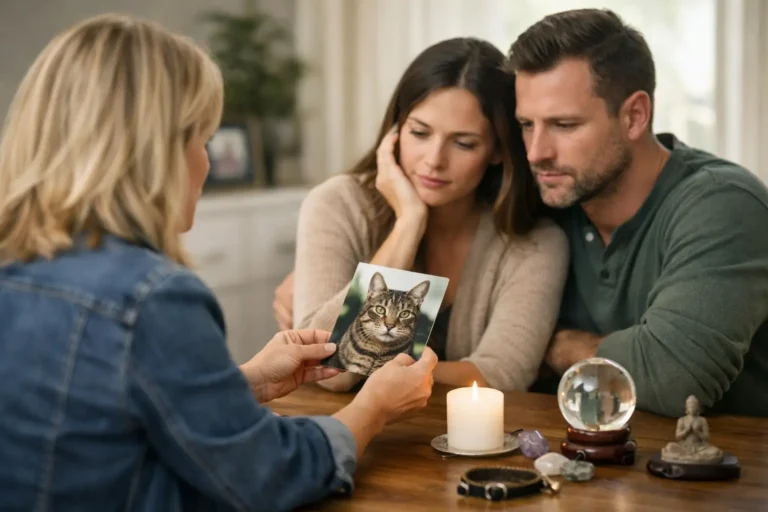
When tension starts building between animals in the same home, it can feel like the whole household is holding its breath. A dog that suddenly guards the couch, a cat who begins hiding after a new pet arrives, or two animals who once coexisted peacefully but now seem reactive around each other can leave pet parents confused and heartbroken. Animal communication for multi pet conflict offers a different way to understand what is happening beneath the surface, so the path back to harmony becomes clearer.
Why conflict in a multi-pet home is rarely just about behavior
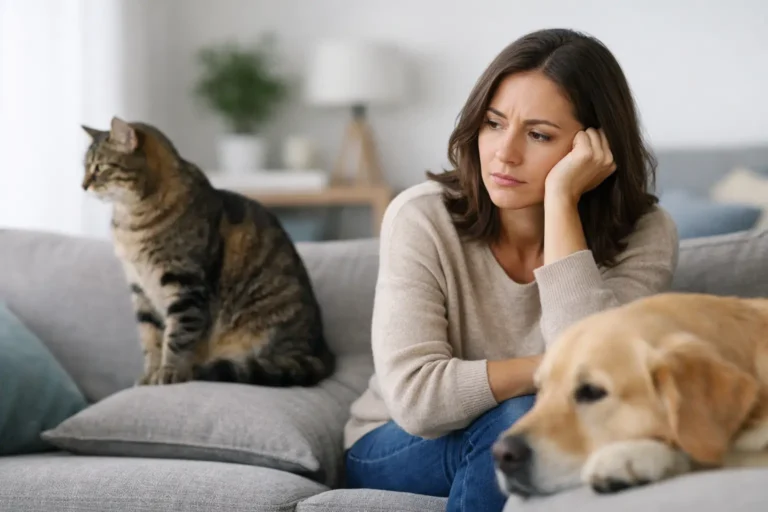
From the outside, conflict can look simple. One pet growls, another avoids, and the pattern starts repeating. But animals are sensitive beings. They respond not only to territory, routines, and personality differences, but also to energy shifts, grief, insecurity, overstimulation, and changes in the emotional climate of the home.
That is why conflict between pets is not always solved by correcting the visible behavior alone. Sometimes the behavior is the final expression of something much deeper. A pet may be feeling displaced after a move. Another may be carrying physical discomfort that makes them less tolerant. A highly sensitive animal may feel overwhelmed by a new companion’s intensity, even if that companion is friendly by human standards.
When pets are seen as sentient, emotionally aware family members, their reactions make more sense. They are not simply acting out. They may be trying to communicate stress, unmet needs, confusion, or fear in the only way available to them.
How animal communication for multi pet conflict can help
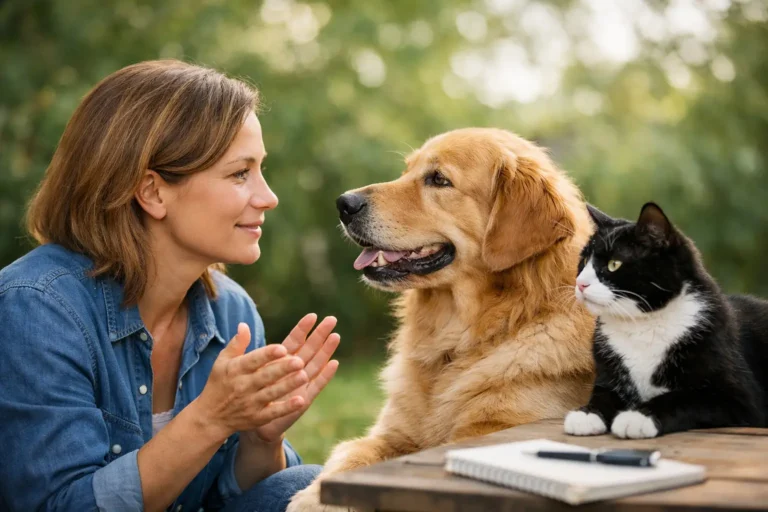
Animal communication for multi pet conflict creates space to hear each animal’s perspective. This matters because two pets can be living in the same home and experiencing it in completely different ways.
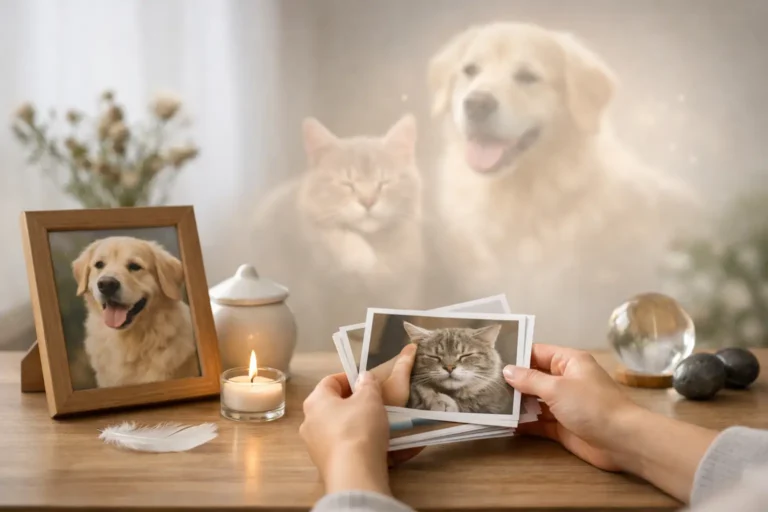
One animal may feel protective of their person and worry that love or safety is being taken away. Another may be eager for connection but coming across as intrusive. Sometimes one pet is mirroring tension from the humans in the home. Sometimes a passed animal’s absence has shifted the emotional balance, and the remaining pets are unsettled in ways the family did not expect.
In an animal communication session, the goal is not to assign blame. It is to bring understanding. When the root emotions are identified, pet parents can respond with more compassion and more precision. Instead of wondering why the fighting, avoidance, or jealousy keeps happening, they can begin to understand what each animal is trying to say.
That understanding often changes everything. A pet who seemed aggressive may actually feel unsafe. A pet who appeared withdrawn may be grieving or overstimulated. Once those truths are honored, the energy in the home can begin to soften.
What animals may be communicating during household tension
Conflict among pets often grows from layers that humans cannot easily see. Some animals are communicating a need for more personal space. Others are asking for clearer boundaries, more one-on-one attention, or reassurance that they still belong.
There are also situations where the issue is less emotional and more physical. A pet in pain may become irritable or defensive. An older animal may not want to engage at the same level they once did. A newly adopted pet may still be adjusting and feel unsure about the rules, the people, and the energy of the home.
Then there are the spiritual and energetic layers. Animals are deeply perceptive. They can absorb stress from their environment and from the people they love. If the household has been moving through grief, illness, major life changes, or emotional strain, the pets may be responding to that field as much as to each other.
This is where intuitive insight can feel especially healing. It helps pet parents look beyond the surface story and meet the deeper need.
Animal communication does not replace practical support
It helps to say this clearly. Animal communication is not a replacement for veterinary care, training, or behavioral support when those are needed. If pets are injuring each other, showing sudden changes in behavior, or displaying signs of illness, practical care matters.
But practical support and intuitive support do not have to compete. In many homes, they work beautifully together. Veterinary care can address pain or health concerns. Training can help create safer structure. Animal communication can reveal the emotional truth underneath the conflict, which often makes every other form of support more effective.
That is especially important in multi-pet homes, where one-size-fits-all advice may miss the uniqueness of each animal involved. What helps one pair of pets may not help another. It depends on their history, their sensitivity, their roles in the family, and what they are each carrying emotionally.
Signs your pets may need deeper insight
Some conflict is loud, and some is quiet. Growling, chasing, blocking doorways, swatting, and resource guarding are obvious signs. But so are subtle shifts like hiding, clinginess, staring, changes in sleep, eating apart from the group, or seeming emotionally shut down.
If you feel like you have tried the usual things and the tension still lingers, there may be more to understand. The same is true if the conflict appeared after a change, such as bringing home a new pet, losing an animal companion, welcoming a baby, moving homes, or changing schedules.
Pet parents often sense when something deeper is present. They may not have words for it, but they can feel that one or more animals is unsettled. Trusting that feeling is not overreacting. It is often the beginning of real clarity.
What healing can look like in a multi-pet household
Healing does not always mean every animal becomes best friends. Sometimes harmony looks like peaceful coexistence, clearer boundaries, and less emotional charge. Sometimes it means one pet feels finally seen, and that alone reduces the conflict.
In many cases, the shift begins with acknowledgment. Animals, like people, respond to being heard. When their fears, preferences, and feelings are honored, they often soften. A pet who has been guarding may relax once they feel secure in their place. A nervous pet may settle when introductions slow down and their boundaries are respected. A jealous pet may calm when they receive reassurance instead of correction alone.
This process asks for patience. Energetic and emotional shifts can happen quickly, but relationships also need time. Old patterns may unwind gradually. That does not mean nothing is happening. Sometimes the first sign of healing is simply less intensity in the room.
Supporting peace after an animal communication session
Once insight comes through, the next step is integration. If one pet has expressed a need for private rest, that can be honored. If another needs more direct reassurance, that can become part of the daily rhythm. If the household energy has felt chaotic, slowing the pace and creating more calm may benefit everyone.
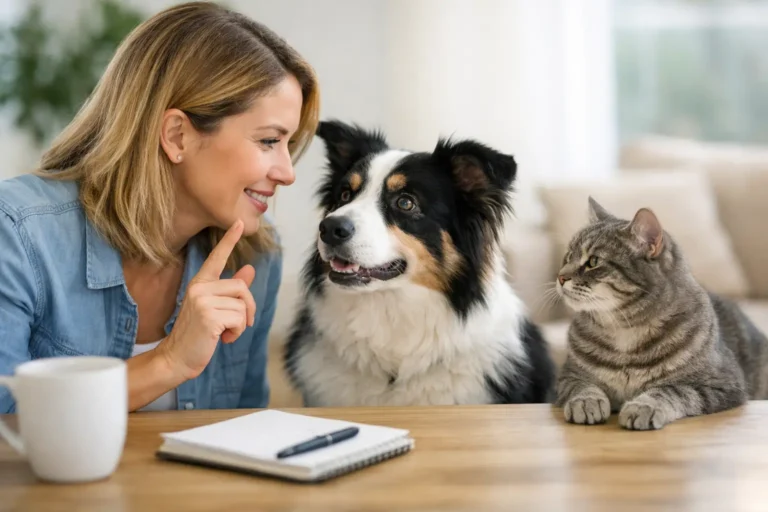
Simple changes often matter more than dramatic ones. Separate feeding spaces, protected sleeping areas, gentler introductions, and more mindful attention to each animal’s comfort can make a meaningful difference. So can talking to your animals with intention. They understand far more than many people realize, especially when words are paired with clear energy and sincere presence.
The most powerful shift, though, is often within the human heart. When pet parents move from frustration to understanding, their animals feel it. When they stop seeing one pet as the problem and begin seeing the whole relationship system with compassion, the home becomes safer for everyone.
Finding harmony through deeper listening
Animal communication for multi pet conflict is, at its heart, an invitation to listen differently. Not just to the behavior, but to the soul beneath it. In homes where emotions are tangled and the bond feels strained, that kind of listening can open a door that force never will.
If your animals are struggling with tension, jealousy, fear, or repeated conflict, there may be more they want you to know. A compassionate session through Animal Communication with Tori can help bring forward the feelings, needs, and wisdom that have been waiting to be heard.
Sometimes peace begins the moment one animal realizes someone finally understands them. And sometimes that moment changes the entire home.