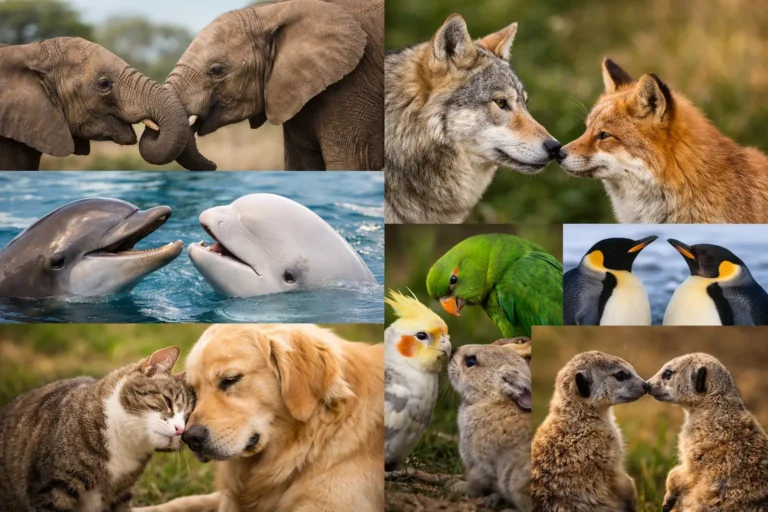
You know your pet’s usual ways. The glance they give you from across the room, the way they settle beside you, the little rituals that make your bond feel steady and familiar. So when you catch yourself asking, why is my pet acting distant, it can feel unsettling on a very deep level. A change in closeness is not something most pet parents imagine away – you feel it because something has shifted.
Sometimes that shift is simple and temporary. Sometimes it points to stress, discomfort, emotional overwhelm, or an energetic change in the home. And sometimes your pet is creating space for reasons that are real to them, even if they are not obvious to you yet. The good news is that distance does not always mean disconnection. Very often, it is a message.
Why is my pet acting distant all of a sudden?
When a pet pulls back, there is usually a reason, even if it is layered. Animals are sensitive beings. They respond to changes in routine, health, energy, environment, and human emotion with far more awareness than many people realize. A pet who seems aloof, withdrawn, less affectionate, or harder to reach may be reacting to something internal, something around them, or something happening within the bond itself.
This is where gentle curiosity matters more than panic. If your dog no longer follows you from room to room, or your cat stops sleeping on your bed, the change may be their way of saying, I need something different right now. That something could be rest, safety, relief, reassurance, or simply space.
Physical discomfort can look like emotional distance
One of the first things to consider is whether your pet may be uncomfortable in their body. Animals do not always show pain in obvious ways. Instead of crying out or limping, they may become quiet, avoid touch, hide more, or stop engaging in the ways they once did.
If your pet suddenly resists cuddling, pulls away when approached, startles more easily, or seems less interested in interaction, it is wise to consider a physical cause. Digestive upset, joint pain, dental issues, fatigue, aging changes, and underlying illness can all create behavior that looks like emotional withdrawal.
This does not mean every distant moment is a medical emergency. It does mean that a loving response includes paying attention to the body, not just the behavior. If the shift is sudden, intense, or paired with changes in eating, sleep, litter box habits, mobility, or grooming, veterinary support is an important first step.
Emotional stress affects pets more than many people think
Pets feel the emotional atmosphere around them. They notice tension in the home, grief, schedule changes, conflict, overstimulation, and even the quiet heaviness that comes when their person is carrying too much. Some animals move closer during these times. Others step back.
A distant pet may be processing stress in the only way they know how. If you recently moved, welcomed a new baby, started a new job, lost a loved one, changed your hours, brought in another animal, or experienced a breakup, your pet may be adjusting to a new emotional landscape.
Even positive changes can feel destabilizing. A busier house, guests, travel, or a new routine can leave sensitive animals feeling unsure. Distance can be their form of regulation. They may not love you less. They may simply be trying to find their footing again.
Your pet may be mirroring your energy
This can be one of the hardest possibilities to sit with, especially for devoted pet parents. Animals often mirror the emotional and energetic states of the people they love. If you are anxious, grieving, disconnected, burned out, or emotionally scattered, your pet may respond in ways that reflect that imbalance.
That response can go in different directions. Some pets become clingy. Others become avoidant. A pet who is acting distant may be picking up on energy that feels confusing, heavy, or hard to settle beside. This is not a judgment. It is simply part of the sacred sensitivity animals carry.
If this resonates, the invitation is not guilt. It is gentleness. Slowing your own nervous system, creating calm moments together, and speaking from the heart can shift more than you might expect.
Why is my pet acting distant after a change at home?
Home is energy, not just space. Pets map their safety through routine, scent, sound, and emotional rhythm. When any of that changes, they can feel unmoored. A new couch may not matter much, but a new roommate might. Rearranging a room may be fine, but remodeling noise, unfamiliar visitors, or the absence of someone they love can feel profound.
Some pets also respond strongly to less visible changes. If someone in the home is pregnant, ill, grieving, or emotionally withdrawn, your animal may sense that before anyone says a word. They may become more watchful, more reserved, or less physically affectionate while they take in what has changed.
Distance in these moments is not necessarily rejection. Often, it is observation. Your pet may be waiting to understand the new normal before fully relaxing back into the bond.
Sometimes pets need space for their own reasons
Not every period of distance is a problem to solve. Just like people, animals move through seasons. Age, maturity, hormonal changes, shifting preferences, and personality development can all affect how they express affection.
A young pet may become more independent as they grow. A senior pet may crave quiet over activity. A previously cuddly animal may still love you deeply but prefer connection in a different form – sitting nearby instead of on your lap, watching from across the room instead of being held.
This is where honoring your pet as an individual matters. Love does not always look the way it used to. Sometimes the bond is still strong, but the expression of it has changed.
How to reconnect without pushing
When your heart hurts, it is natural to want immediate reassurance. But pets usually respond best to softer efforts, not force. Chasing closeness can create more pressure, especially if your animal is already overwhelmed or uncomfortable.
Start by making connection feel safe again. Sit near them without asking for anything. Let your voice be calm and your presence steady. Return to simple rituals they know – a quiet walk, a favorite blanket, brushing if they enjoy it, or peaceful time in the same room.
Watch what they choose. If they lean in, stay open. If they move away, respect it. Trust grows in the space where a pet feels heard, not managed.
It can also help to look honestly at what has changed. Has your attention been divided? Has the home felt louder or more chaotic? Has your pet had less rest, less predictability, or more stimulation than usual? Small adjustments often bring surprising relief.
Listen beneath the behavior
Behavior is communication, but it is not always the full story. A pet who appears distant may be carrying sadness, confusion, overstimulation, grief, physical discomfort, or an energetic response that has no easy label. This is why surface-level fixes do not always resolve the issue.
If you have ruled out urgent physical concerns and the distance continues, deeper listening may be what is needed. Some pet parents find that when they slow down and truly attune, they begin to sense what their animal has been trying to express all along. Others want more direct support in hearing what their pet has to say.
This is where intuitive guidance can offer comfort and clarity, especially when the bond feels strained and the usual explanations do not seem complete. For many families, being able to understand a pet’s emotional perspective brings relief, healing, and a return to harmony that logic alone could not provide.
When to seek extra support
If your pet’s withdrawal is persistent, accompanied by concerning symptoms, or feels emotionally significant in a way you cannot shake, trust that feeling. You do not have to wait until things become extreme to ask for help.
Veterinary care is essential when physical issues may be involved. Behavioral support can help when patterns are linked to fear, change, or environment. And for pet parents who sense there is more beneath the surface, heart-centered intuitive support can be deeply meaningful. At Animal Communication with Tori, this kind of space is honored with compassion, helping pet parents find clarity and reconnect with the soul of the relationship.
If your pet has been acting distant, try not to read it as the end of closeness. Very often, it is the beginning of a deeper invitation – to notice more, listen more carefully, and meet them where they truly are.