You may have looked at your animal and felt, with absolute certainty, that they were trying to tell you something. Maybe a behavior changed overnight. Maybe your pet seemed anxious, withdrawn, or unusually clingy. Maybe you simply wanted to understand them more deeply. That is often where questions about how animal communication sessions work begin – with love, concern, and the quiet feeling that there is more your animal wants you to know.
Animal communication sessions are gentle, intuitive conversations that help pet parents connect with their animal’s thoughts, emotions, preferences, and energetic perspective. The purpose is not to replace veterinary care, training, or practical support. It is to offer another layer of insight – one that can bring emotional clarity, strengthen your bond, and help you hear what they have to say.
How animal communication sessions work in practice
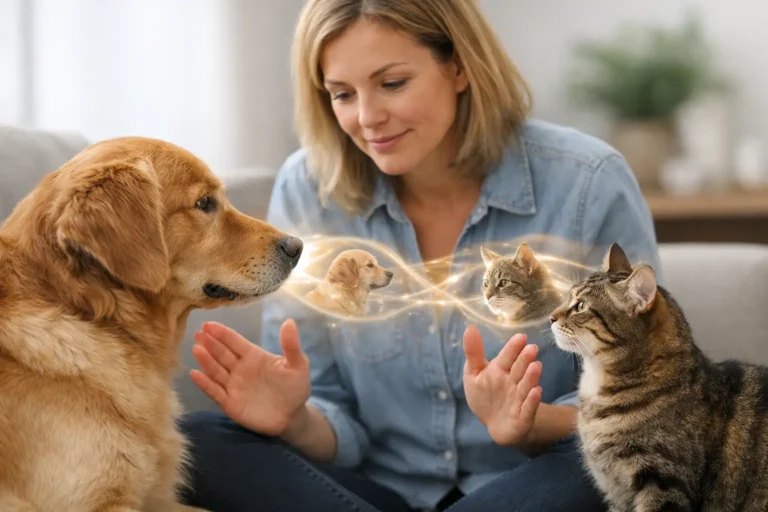
At the heart of an animal communication session is the understanding that animals are sentient beings with feelings, personalities, wisdom, and their own way of experiencing the world. An intuitive communicator connects with your animal energetically rather than through spoken language. This connection may bring through impressions, emotions, mental images, physical sensations, words, or a deep inner knowing.
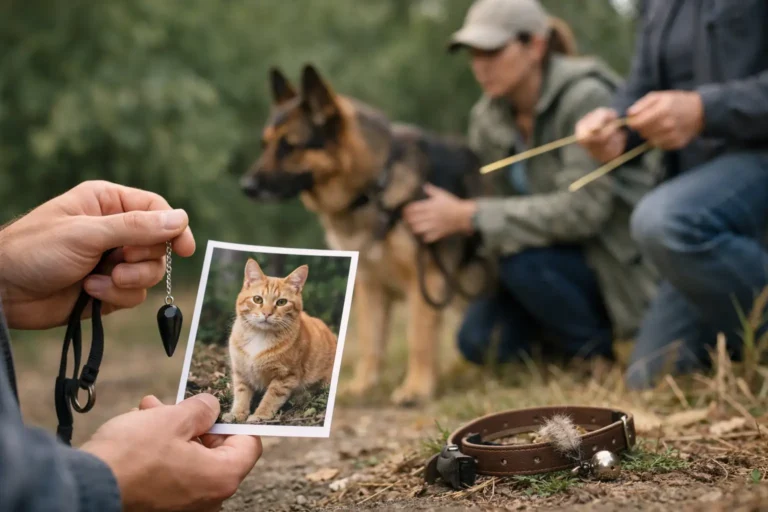
In most cases, the session begins with a photo of your animal and a few basic details. Because the connection is intuitive and energetic, your animal does not usually need to be physically present. Distance is not seen as a barrier. Whether your companion is resting at home, across the country, or has already passed on, the communicator tunes into their energy and begins listening.
From there, the session unfolds much like a conversation. The communicator may ask your animal questions on your behalf and then relay what comes through. They may also share messages your animal wants to offer first. Sometimes the information is emotional and comforting. Sometimes it is surprisingly specific. Sometimes it confirms what you already sensed in your heart.
No two sessions feel exactly the same, because no two animals are the same. A sensitive senior dog, a playful kitten, an independent horse, and a passed animal in spirit will each communicate in their own way. Some are direct and expressive. Others are subtle. The role of the communicator is to interpret what is received with care, compassion, and respect.
What a communicator is actually receiving
One of the biggest questions pet parents have is what this process really looks like from the inside. Animal communication is not usually like hearing a full spoken sentence out loud. More often, the communicator receives information in layers.
An animal may send an image of a favorite toy, a memory tied to a certain room, or a feeling of pressure in one part of the body. They may communicate sadness, irritation, loyalty, relief, confusion, or deep love. They may show a preference, a fear, or a reason behind a behavior that has been hard to understand.
This is where trust and experience matter. Intuitive information can come in quickly and in symbolic ways. A communicator learns to recognize the difference between a passing thought and a meaningful message. They also learn how to share what comes through without forcing, embellishing, or making promises they cannot ethically make.
For some pet parents, the details are what open their hearts. A communicator may describe a habit no one mentioned, a dynamic in the home, or a feeling your animal has carried quietly. For others, the real gift is emotional resonance – that unmistakable sense of being seen, and of finally seeing your animal more clearly too.
Questions often asked during a session
Many sessions center around a specific concern. You may want to ask why your pet has become reactive, why they are avoiding another animal in the house, or whether they feel unsettled after a move or loss. You may be seeking insight about end-of-life transitions, a missing pet, or the soul connection you still feel with an animal who has passed.
These questions are welcome, but the answers are not always linear. Animals often respond from a place of honesty and simplicity. What looks like stubbornness may be overwhelm. What feels like distance may actually be discomfort, grief, or sensitivity to changes in the home. A behavior issue can have practical causes, emotional causes, or both.
That is why intuitive guidance works best when it is received with openness. The goal is not to control your animal or get a neat script. The goal is to understand them more fully, so you can meet them with greater compassion and create more harmony together.
What to expect emotionally
People often come into a session carrying worry, guilt, heartbreak, or longing. They want reassurance that their animal is okay. They want to know if they are doing enough. They want peace after weeks or months of unanswered questions.
A meaningful session can bring relief, but it can also bring tenderness to the surface. You may hear something that affirms your intuition. You may hear something that invites a shift in perspective. You may be reminded that your animal is aware of far more than you realized.
This can be especially powerful in passed pet readings. Many pet parents carry grief mixed with unfinished emotions. They wonder if their animal knew how deeply they were loved. They wonder if they made the right choices. In an intuitive session, messages from a passed companion often bring comfort, forgiveness, and a sense of ongoing connection that helps the heart soften.
With living pets, the emotional impact is often relational. A session can help you understand what your animal needs to feel safer, calmer, more supported, or more seen. It can turn frustration into compassion. It can help restore trust after stress or confusion. Sometimes the greatest healing comes simply from remembering that your animal has a voice, and that their inner world matters.
What animal communication can and cannot do
This work is deeply supportive, but it is important to approach it with grounded expectations. Animal communication can offer insight into emotions, energy, relationship dynamics, preferences, and possible reasons behind behavior. It can help you feel closer to your animal and more confident in how you care for them.
It is not a substitute for veterinary diagnosis, emergency care, or qualified behavioral support. If your pet is in physical distress, immediate practical care comes first. Intuitive communication can complement that care by adding emotional context, but it should not replace professional medical or safety decisions.
There is also nuance in how information comes through. Not every session delivers dramatic revelations. Sometimes what comes through is simple but meaningful. A need for quiet. A request for patience. A feeling of protectiveness toward a child in the home. A desire to be acknowledged for who they are, not only for how they behave.
When approached with reverence and realism, this work can be both spiritual and grounded. It does not ask you to abandon common sense. It invites you to include the heart.
How to prepare for the best session
If you are considering a session, come as you are. You do not need special abilities, perfect questions, or a certain spiritual background. What helps most is openness, honesty, and a willingness to listen.
Before your session, it can be helpful to settle into the questions that matter most to you. Think about where you feel stuck, worried, or curious. Notice what you long to understand. If your animal has been showing changes in mood or behavior, reflect on what has shifted in their environment, routine, or relationships.
It also helps to release the pressure to prove something. The deepest sessions are rarely about performance. They are about connection. When you allow space for your animal’s personality and truth to come forward, the experience often feels more natural and more healing.
For those seeking support through Animal Communication with Tori, that experience is meant to feel safe, heart-centered, and honoring of the sacred bond you share. The intention is not just to receive information, but to create a space where deeper understanding can unfold with compassion.
Why this work matters
When people ask how animal communication sessions work, they are often asking something deeper too. They are asking whether love can still reach across confusion, behavior struggles, distance, grief, or silence. They are asking whether their animal’s inner world can truly be known.
For many pet parents, the answer feels like a quiet yes. Not always in neat or dramatic ways, but in moments of recognition. In the feeling that your animal has been heard. In the softening that happens when fear gives way to understanding. In the comfort of knowing the bond is real, sacred, and alive with meaning.
If your heart has been nudging you to listen more closely, that may be reason enough to begin.