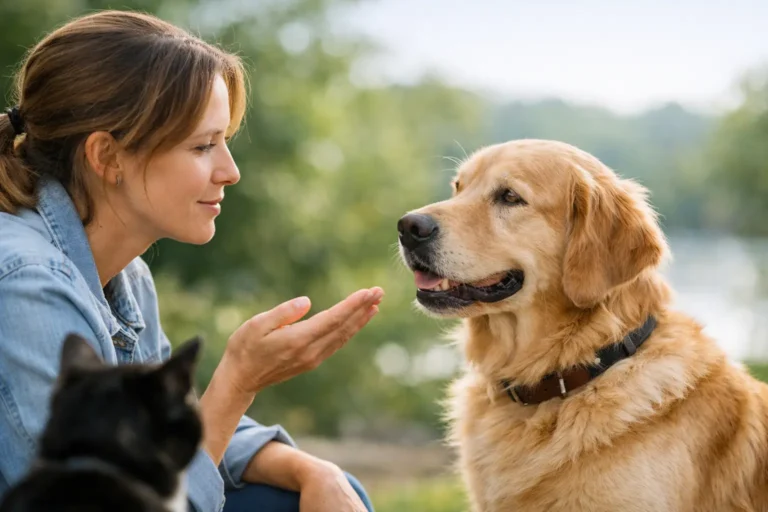
The moment you realize your pet is missing, everything else drops away. Your mind races, your body goes into panic, and every passing hour can feel unbearable. In that tender space, animal communication for missing pets can offer something many pet parents need most – a sense of connection, emotional grounding, and intuitive insight when answers feel painfully out of reach.
When an animal goes missing, practical action matters. Flyers, neighborhood searches, shelter checks, social posts, and conversations with neighbors are all essential. Intuitive support is not a replacement for those steps. It is a companion to them. For many people, it becomes a way to hear what their animal may be feeling, sense where their energy is, and find steadiness in the middle of fear.
What animal communication for missing pets can offer
Missing pet sessions are often sought in moments of urgency, but the support they provide is not just about location. Pet parents are usually carrying shock, guilt, confusion, and grief all at once. They want to know if their animal is safe, frightened, hiding, injured, or trying to get home. They want to feel that the sacred bond is still there, even across distance.
Animal communication works in the space of energetic connection. Because animals are sentient beings with emotions, preferences, memories, and awareness, it is possible to tune into their perspective and receive impressions about what they are experiencing. Sometimes that comes through as emotional sensations. Sometimes it appears as images, environmental clues, directional impressions, or a strong sense of whether the animal is moving or staying in one area.
This kind of insight can bring comfort, but it also comes with nuance. Communication is intuitive, not mechanical. A session may reveal helpful guidance, but it does not function like a GPS pin. The purpose is to deepen connection, support your search efforts, and help you respond from a calmer, more centered place.
How missing pet communication sessions often feel
Most pet parents come into a session carrying urgency and heartbreak. That is completely understandable. The fear of not knowing where your animal is can be overwhelming. A compassionate session creates emotional space to pause, breathe, and reconnect with your pet beyond the panic.
Often, what comes through first is the animal’s emotional state. They may feel confused, cautious, alert, tired, overwhelmed, or determined to return. In some cases, they show that they are close by but hiding. In others, they may indicate movement, unfamiliar surroundings, or sensitivity to noise, weather, or people.
That information can matter because it shapes how you search. A frightened cat may not respond the way a social dog would. A pet in survival mode may stay silent, avoid open spaces, or remain tucked into a small area even when their family is nearby. Understanding their likely emotional state can help you adjust your approach with more compassion and accuracy.
What kind of information may come through
Every session is different, and that matters. Some communicators receive strong visual impressions. Others sense feelings, physical sensations, landscape details, or symbolic images. You might hear descriptions such as wooded edges, fences, backyards, parked cars, water, a road with steady traffic, a porch, a shed, or a feeling of being near one familiar point but not directly visible.
At times, the communication may suggest timing or movement patterns. An animal may feel more willing to move at dawn, after dark, or when the environment is quiet. They may show that they are watching but not approaching, or that they are waiting for safety before revealing themselves.
It depends on the pet, the intensity of the situation, and how the information comes through. Not every detail will be literal. Some impressions are symbolic, and some are best understood alongside the practical facts of your search. This is why intuitive support is most helpful when held with both openness and discernment.
The role of hope, without false certainty
One of the most loving things a missing pet session can offer is hope that feels grounded rather than forced. Pet parents do not need empty promises. They need honesty, care, and a trusted space to receive what is coming through.
A heart-centered communicator should never encourage you to stop practical search efforts or make guarantees they cannot truly make. Instead, the session should support you in staying connected to your animal while continuing the real-world work of finding them. It can help you focus your energy, notice what resonates, and feel less alone in the process.
Sometimes the deepest gift is reassurance that your pet still feels your love. Animals often remain bonded to their people even while lost. They may sense your worry, your calling, your efforts to bring them home. That soul-level connection does not disappear just because you cannot physically see them.
When to seek animal communication for missing pets
Some people reach out within hours. Others wait days, especially if they have already tried everything they know to do. There is no perfect timeline. If you feel drawn to seek intuitive help, that instinct may be part of your bond with your animal.
It can be especially supportive when your search feels scattered, when fear is making it hard to think clearly, or when you sense your pet is trying to communicate but you cannot quite grasp what they need. It can also help if a case has gone quiet and you need renewed emotional clarity to keep going.
For pet parents who are spiritually open, this process often feels natural. For those who are newer to intuitive work, it can still be approached gently. You do not need to have all the right beliefs. You only need love for your animal and a willingness to receive insight with an open heart.
How to support the process before and after a session
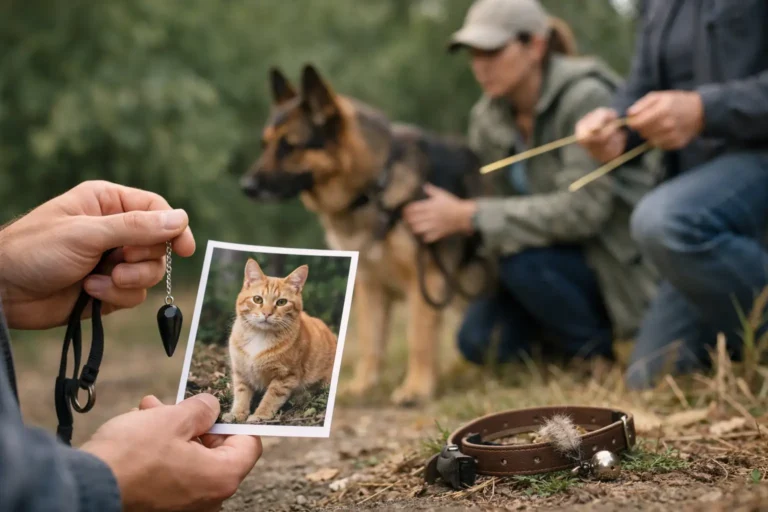
If you book a missing pet session, it helps to bring a recent photo and a calm intention, even if your emotions are understandably intense. Share the basic facts clearly, then allow room for what comes through. Try not to force every impression to make immediate sense. Some details click later, especially once you return to active searching.
Afterward, stay grounded. Write down what resonated. Compare the information to your practical search map. Think about your pet’s personality, habits, sensitivities, and likely survival behavior. A gentle, observant response is often more effective than frantic movement from one possibility to another.
This is also a time to keep speaking to your animal, whether aloud or in your heart. Let them know you are looking. Let them know how to find home. Send calm, loving images of safety, food, water, familiar scents, and the path back to you. Many pet parents find comfort in continuing this bond intentionally.
A compassionate path forward
The pain of a missing pet is real, and it deserves tender care. You are not overreacting. You are responding to the absence of a beloved family member. In that space, animal communication can offer more than information. It can offer relationship, reassurance, and a way to honor the sacred bond even in uncertainty.
For those seeking missing pet support through Animal Communication with Tori, the heart of the work is not fear. It is connection. It is listening for what your animal wants you to know, finding harmony between practical action and intuitive guidance, and helping you feel held while you search.
If your pet is missing right now, take the next physical step you can. Then take one calming breath. Your love is still reaching them, and sometimes that connection becomes the quiet thread that helps guide both of you back toward one another.