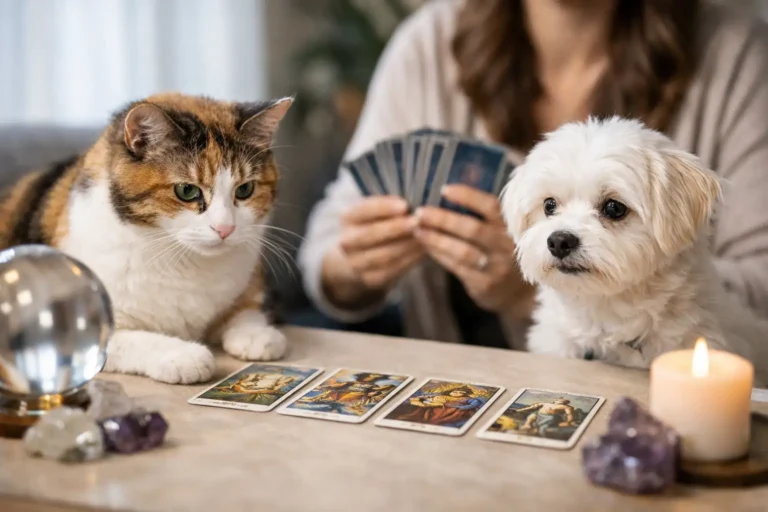
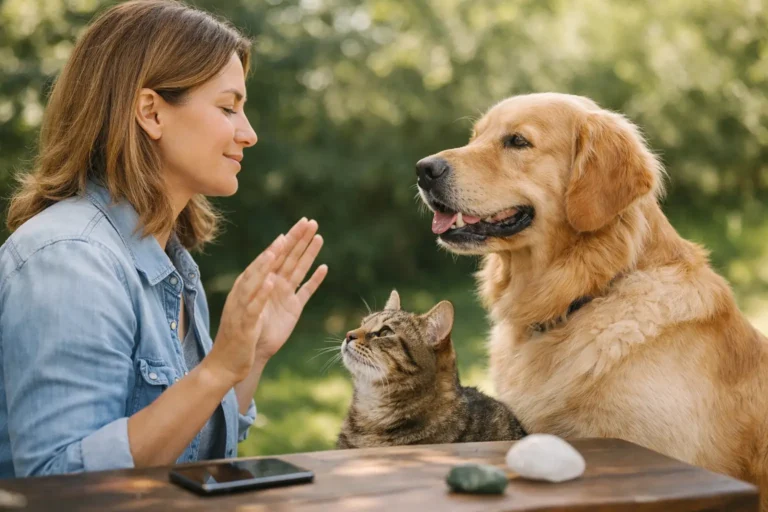
When a loving dog suddenly growls at visitors, or a cat lashes out without warning, the fear can settle deep in your chest. You want answers quickly, and you want to know if can a pet psychic help with aggression is more than a hopeful question. For many pet parents, it can be a meaningful place to begin finding clarity, especially when aggression feels confusing, emotional, or out of character.
Aggression is rarely random. Even when it looks explosive on the outside, there is often a deeper story underneath it – fear, pain, overstimulation, territorial stress, past trauma, grief, energetic sensitivity, or a breakdown in trust. A pet psychic, or animal communicator, does not replace veterinary care or behavior support. What this kind of session can do is help you understand the emotional and energetic layer your animal may be trying to express.
Can a pet psychic help with aggression in pets?
Yes, sometimes a pet psychic can help with aggression by bringing forward insight that is hard to access through observation alone. Animals communicate constantly, but not always in ways humans easily understand. When aggression enters the relationship, communication often becomes strained on both sides. Your pet may feel unsafe, misunderstood, protective, overwhelmed, or physically uncomfortable. You may feel heartbroken, anxious, and unsure how to help.
An intuitive session can create a gentler opening. Instead of looking only at the behavior itself, it asks what the animal is feeling, what they are reacting to, and what they need in order to feel safer. That shift matters. When a pet is treated as a sentient being with emotions, history, preferences, and spiritual sensitivity, new understanding can emerge.
Sometimes the message is surprisingly simple. A pet may be reacting to tension in the home, a recent move, a new animal, a child who does not respect boundaries, or lingering stress after a medical event. In other cases, the aggression may connect to fear from a prior experience, a need for more space, or a strong protective instinct that has gone unchecked. These are not excuses for harmful behavior, but they can be clues that help restore harmony.
What a pet psychic may actually uncover
The value of an animal communication session is not in labeling a pet as good or bad. It is in hearing what they have to say beneath the behavior. Aggression often has an emotional root, and that root can be easy to miss when everyone in the household is reacting to the surface problem.
A session may reveal that your pet feels cornered in certain rooms, uneasy around a particular person, or overwhelmed by constant noise. It may bring up unresolved grief after the loss of another animal. It may point to body discomfort that deserves medical attention. Some animals communicate a need for slower introductions, stronger energetic boundaries, more predictability, or a sense that no one has truly listened to their side.
This is where intuitive support can feel deeply healing. It allows the pet parent to move from fear into compassion without dismissing the seriousness of the issue. You are not ignoring aggression. You are seeking its message.
What a pet psychic cannot do
This is an important part of the conversation. A pet psychic cannot guarantee that aggression will disappear after one session. They also should not be used as the only source of support when a pet is biting, attacking, guarding resources intensely, or showing sudden behavior changes.
If aggression is severe, escalating, or new, medical evaluation matters. Pain, neurological changes, hormonal shifts, sensory decline, and illness can all contribute to aggressive behavior. Professional training and behavior work may also be necessary, especially when safety is a concern.
Intuitive insight works best as part of a fuller support system. It can complement, not replace, responsible care. For many pet parents, that combination feels most grounded – honoring both the practical and the spiritual.
Why aggression can have an energetic component
Animals are sensitive. They often read emotional currents in a home long before words are spoken. They can absorb stress, respond to conflict, and mirror unspoken fear or grief. In spiritually aware households, this idea often rings true immediately. Pets do not just live beside us. They live within the emotional field of the family.
That does not mean your pet is aggressive because you failed them. It means there may be more affecting the behavior than the obvious trigger. A dog who growls when one partner enters the room may be responding to subtle tension. A cat who swats after a move may be struggling with disorientation and energetic upheaval. An animal who becomes reactive after another pet passes may be carrying grief and instability.
When these layers are acknowledged, healing often begins with softness rather than force. Your pet may not need punishment as much as reassurance, clarity, and a new sense of safety.
Signs an intuitive session may be worth exploring
If your pet’s aggression feels emotionally charged, confusing, or disconnected from what you have already tried, an animal communication session may help you see the full picture. This can be especially supportive when the behavior appeared after a life change, when your pet seems anxious or shut down between incidents, or when you sense there is more going on than anyone has been able to explain.
It can also help when you feel your pet is trying to communicate but you cannot quite reach them. Many loving pet parents say the same thing: “This behavior does not feel like who they really are.” That feeling is worth honoring.
How to approach aggression with both compassion and caution
The most helpful mindset is both open-hearted and grounded. If your pet is showing aggression, take safety seriously. Manage the environment, reduce exposure to known triggers, and seek veterinary or behavioral support when needed. At the same time, stay curious about what your animal may be experiencing internally.
Approaching aggression this way protects everyone involved. It also prevents the relationship from being defined only by fear. Your pet is more than their hardest moment. They may be struggling, dysregulated, frightened, or asking for help in the only language they have available.
When intuitive guidance is added to the process, it can soften blame and invite understanding. It may give you a different way to respond, speak to your pet with greater clarity, or make changes in the home that support a calmer nervous system.
Can a pet psychic help with aggression when nothing else has worked?
Sometimes this is exactly when people reach out. They have tried training advice, routine changes, management tools, and endless online searching. They are exhausted. Their pet is stressed. The household feels tense.
In these moments, intuitive insight can offer something different. Not a magic fix, but a missing piece. It may reveal that your pet does not feel heard, that a certain dynamic is intensifying their fear, or that the aggression is connected to something subtle but significant. Even one clear message can change the way you move forward.
For some families, that shift is the beginning of real healing. Not because the behavior vanishes overnight, but because the relationship changes. There is more compassion, more understanding, and a stronger sense of how to support the animal as a whole being.
At Animal Communication with Tori, this kind of work is centered on honoring the sacred bond between you and your pet. When aggression enters that bond, it can feel painful and destabilizing. But it can also be an invitation to listen more deeply.
Your animal’s behavior may be asking for boundaries, healing, relief, or reassurance. It may be carrying a message that needs to be heard with care. If your heart keeps telling you there is more beneath the surface, that instinct matters. Sometimes the path back to peace begins by finally listening to what your pet has been trying to say all along.