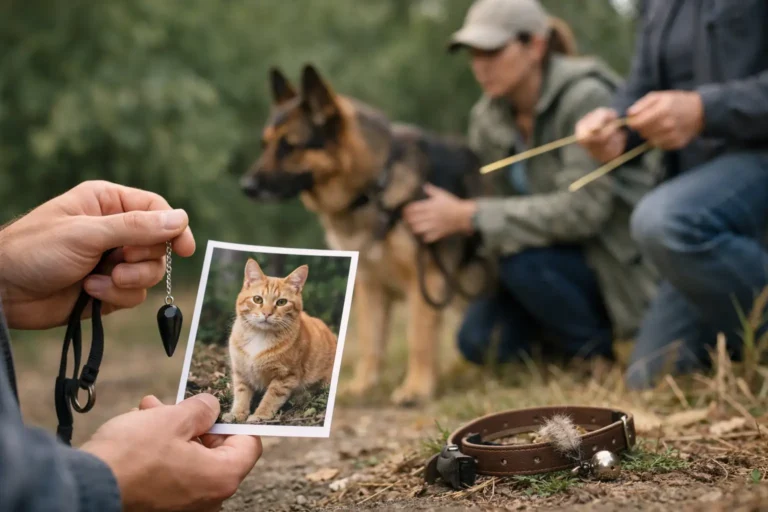
When your pet is missing, the world can go quiet in the most painful way. Every sound outside makes your heart jump, and every hour feels too long. In that space of fear and love, many pet parents ask the same question: can animal communicators find lost pets?
The honest answer is that animal communication can sometimes help, but it is not a guarantee. A missing pet session is not a substitute for physical search efforts, flyers, shelter checks, or community outreach. It is a spiritual and intuitive form of support that may offer clues, emotional insight, and a stronger sense of how to move forward when you feel overwhelmed.
For many people, that distinction matters. Hope is sacred, and it deserves to be handled with care.
Can animal communicators find lost pets in every case?
No, not in every case. Anyone speaking about this work with integrity should say that clearly.
Animal communicators may receive impressions, emotions, images, sensations, or directional feelings connected to a missing pet. Sometimes those details are surprisingly specific. A communicator might sense water, woods, a fence line, a kind woman nearby, a garage, a road that feels too loud, or a pet hiding rather than roaming. In some cases, these impressions help a family narrow their search and reconnect with their animal.
But intuitive information is not the same as a GPS pin. Messages can come through symbolically. Timing can be unclear. A pet may be frightened, disoriented, injured, moving between locations, or less available energetically than hoped. Sometimes the communication brings confirmation that the animal is alive and hiding. Other times, it brings comfort without a clear location.
That is why missing pet communication works best when it is approached as guidance, not certainty.
What a missing pet communication session may actually offer
At its heart, this work is about connection. Even when your pet is physically out of sight, the bond between you may still carry information, feeling, and direction.
A session may help you understand your pet’s emotional state. Are they scared and tucked away? Are they confused but trying to get home? Are they being cared for by someone? Are they avoiding noise, traffic, or other animals? These are the kinds of energetic impressions that can shape a more focused search.
Sometimes a communicator can also sense personality-driven behavior. A shy cat may stay very close to home and remain hidden in silence for days. A social dog may move toward people, yards, or porches. An older pet may not travel far. A startled indoor-only pet often does not “run away” in the way people imagine. They hide.
That difference can calm the panic and help you search more wisely.
There is also the emotional side. When fear takes over, it becomes harder to think clearly, sleep, or decide what to do next. A grounded, compassionate session can help you feel less alone. It can bring your focus back to your bond, your intuition, and the practical next steps your pet may need from you.
How can animal communicators find lost pets if the messages are intuitive?
This is where nuance matters. Animal communication does not usually arrive as a neat verbal sentence with an address attached.
Many communicators receive information through images, body sensations, emotions, symbols, words, or a deep inner knowing. A sensation of cold may suggest shade, water, nighttime movement, or a concrete surface. The image of a red door may be literal, or it may point to a building with a strong color impression. The feeling of “stuck” could mean trapped physically, cornered emotionally, or simply too afraid to move.
A skilled communicator does not force certainty where there is none. They share what comes through as clearly and compassionately as possible, while honoring that some details may need to be interpreted alongside real-world search efforts.
This is one reason trust matters. Pet parents deserve honesty, not dramatic promises. In the right hands, intuitive work can support the search in a meaningful way without claiming more than it can truly deliver.
When this kind of support tends to help most
Missing pet communication can be especially supportive when you have already started searching and need help narrowing your focus. It can also help when your emotions are spiraling and you can no longer tell whether your next move is coming from intuition or panic.
In some cases, it is most useful very early, when a pet is likely still nearby and hiding. In others, it helps after a few days, when patterns begin to emerge and the communicator can tune into how the animal is navigating their situation.
It may also be meaningful when a search has gone quiet. That does not always mean the trail is gone. Sometimes it means the energy needs to be approached differently, with more stillness, more receptivity, and more attention to what your pet may be trying to communicate.
This work can also help families who need emotional steadiness. When you feel connected to your pet again, even briefly, you may become more grounded, more observant, and more able to keep going.
What to do alongside a missing pet session
The most helpful approach is both spiritual and practical.
If your pet is missing, continue taking visible real-world action. Search at the right times of day, notify shelters and veterinary offices, post clear flyers, check with neighbors, monitor sightings, and revisit the places your pet may know. If your communicator senses your pet is hiding close by, that may shift your strategy. If they sense movement, roads, or a person nearby, that may shape where you focus next.
The intuitive session should support your search, not replace it.
It can also help to stay emotionally connected without overwhelming your pet. Some communicators encourage pet parents to send calm, loving thoughts rather than frantic energy. That can matter more than people realize. Animals are sensitive. If your pet is frightened, your grounded presence may help them feel safer finding their way back or revealing themselves.
Signs of an ethical animal communicator
When you are vulnerable, you need someone who treats your fear with respect. An ethical communicator will not promise a guaranteed reunion, and they will not use your pain to create false certainty.
Instead, they are likely to be honest about what they receive, what feels strong, and what feels less clear. They will share impressions with care. They will leave room for symbolism. They will encourage continued physical search efforts. And they will understand that this is not entertainment. It is sacred, emotional work centered on your beloved companion.
That kind of support can feel very different from sensational claims. It feels steadier. Kinder. More trustworthy.
What if the session brings comfort, not a location?
That can still be meaningful.
Sometimes the greatest gift in a missing pet session is not a map point but a felt sense of your animal’s energy, personality, and emotional truth. You may receive reassurance that they know you are looking, that they feel your love, or that they need patience rather than panic. You may sense whether they are frightened, resting, moving at night, or waiting for the right opening to return.
For a heart in distress, that kind of connection can soften desperation and restore clarity.
And sometimes, comfort is not a lesser outcome. It is part of the path. When you are calmer, you may notice the detail you missed before. You may follow up on the sighting you almost dismissed. You may search one more yard, one more shed, one more quiet space near home.
Holding hope with honesty
If you are asking whether animal communication is real enough to help find a lost pet, you are probably already standing in a place of deep love. Love wants action. Love wants answers. Love wants your animal home.
So yes, animal communicators can sometimes help with lost pets. They may receive clues, emotional insight, and energetic direction that support a reunion. But the most honest answer is not a simple yes or no. It is that this work can be powerful, tender, and supportive, while still carrying uncertainty.
At Animal Communication with Tori, that sacred balance matters. Pet parents deserve compassion without false promises and spiritual guidance that honors both intuition and reality.
If your beloved companion is missing, let yourself use every loving resource available to you. Search with your feet, listen with your heart, and leave room for the quiet ways your pet may still be trying to be heard.