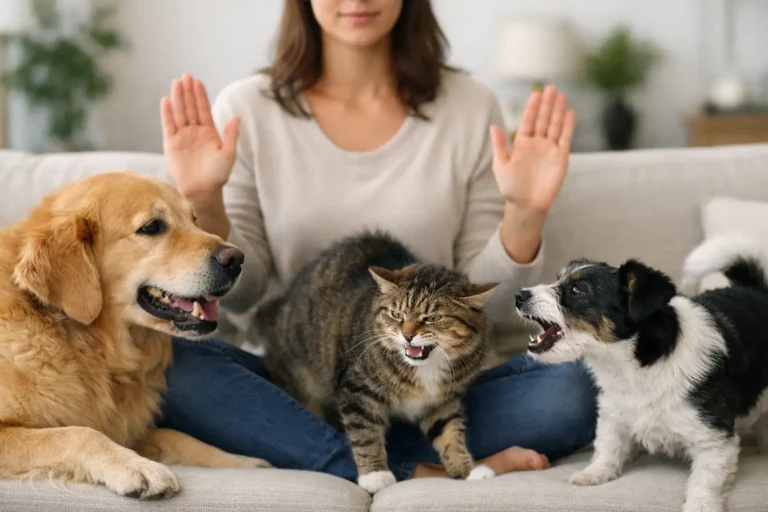
When you book a session, the best questions for pet communicator work are not always the most dramatic ones. Often, the most healing answers come from simple, honest questions you have been carrying quietly for weeks, months, or even years. If your animal has been acting differently, feeling distant, grieving, or asking for your attention in ways you cannot quite understand, the right question can open the door to clarity, comfort, and connection.
A pet communication session is not about performing for answers or trying to ask something perfectly. It is about honoring the sacred bond you share and creating space to hear what your animal wants you to know. Some questions bring emotional reassurance. Others help restore harmony at home. And sometimes, one thoughtful question reveals more than ten rushed ones.
Why the best questions for pet communicator sessions matter
The quality of your questions shapes the quality of the insight you receive. That does not mean you need polished language or spiritual experience. It simply means that clear, heartfelt questions tend to lead to clearer, more meaningful messages.
Many pet parents arrive with a mix of love, worry, guilt, and hope. That is completely normal. You may want to know why your dog suddenly seems anxious, why your cat avoids a certain room, whether your senior pet is comfortable, or whether a passed animal still feels close to you. Asking from the heart matters more than asking in a perfect format.
It also helps to ask open questions instead of questions that push for a specific answer. For example, “How are you feeling in your body?” often brings more insight than “Are you in pain?” The first invites your animal’s perspective. The second can narrow the energy of the conversation too quickly.
What to ask a pet communicator first
If you are not sure where to begin, start with the area that feels most emotionally charged. Usually, that is where the deepest need for clarity lives. For some people, that is behavior. For others, it is health, grief, or a sense that something in the relationship feels off.
A strong opening question can be, “What do you want me to understand right now?” It is gentle, spacious, and deeply respectful. It allows your animal to lead with what matters most from their point of view.
Another beautiful place to start is, “How are you feeling emotionally?” Pet parents often focus on actions first, but emotions are usually underneath behavior. A dog who barks nonstop may be feeling protective, confused, or lonely. A cat who withdraws may be overstimulated, grieving, or simply asking for more peace.
15 best questions for pet communicator sessions
Some questions are especially helpful because they create room for depth. These are not scripts you must follow exactly. Think of them as starting points you can shape to fit your animal, your concerns, and your relationship.
Questions about emotions and connection
Ask, “How are you feeling right now?” This can reveal stress, contentment, confusion, excitement, or emotional needs you may not have noticed.
Ask, “Do you feel safe and secure in our home?” This is especially helpful after a move, a new baby, a schedule change, or the arrival of another animal.
Ask, “What helps you feel most loved by me?” Sometimes the answer confirms what you already sense. Sometimes it gently shows you a new way to connect.
Ask, “Is there anything you wish I understood about you?” This question often opens the deepest emotional truths.
Questions about behavior and tension
Ask, “What is behind this behavior?” Whether the issue is barking, hiding, scratching, accidents, aggression, or clinginess, this question looks beneath the surface.
Ask, “Are you reacting to something in your environment?” Animals are deeply sensitive to energy, routine, noise, tension, and subtle household changes.
Ask, “What are you trying to communicate through this pattern?” Repeated behavior often has a message, even when it feels frustrating.
Ask, “What would help you feel more at ease?” This moves the session toward harmony instead of staying stuck in the problem.
Questions about health and physical comfort
Ask, “How are you feeling in your body?” This is a compassionate way to explore discomfort, fatigue, tension, or energetic imbalance.
Ask, “Is there a part of your body that needs my attention?” Animals sometimes highlight an area that feels sensitive or off, which can help you know where to focus additional care.
Ask, “What supports your comfort and well-being right now?” This may bring insight into rest, routine, space, food preferences, emotional support, or the need for veterinary follow-up.
Intuitive communication can offer meaningful perspective, but it is not a replacement for medical care. If your pet is showing signs of illness, pain, or distress, spiritual insight and veterinary support often work best together.
Questions for passed pets
Ask, “Do you have a message for me?” This is often where comfort begins.
Ask, “Are you at peace?” For grieving pet parents, this question can bring a profound sense of relief.
Ask, “Is there anything you want me to release or forgive myself for?” Grief often carries guilt, even when love was present every step of the way.
Passed pet sessions can be deeply healing, but they are also emotional. If your heart feels tender, it may help to ask just one or two meaningful questions instead of trying to cover everything at once.
Questions to avoid in a pet communication session
Not every question creates the same kind of opening. Some questions come from fear so strongly that they can make it harder to receive clear insight. Others ask for certainty in situations that are naturally fluid.
Try to avoid overly leading questions like, “You hate the new dog, don’t you?” or “You are mad at me, right?” These can project your worry onto the session. A gentler version would be, “How do you feel about the new dog?” or “How are you feeling about our relationship lately?”
It also helps to be careful with yes-or-no questions when the issue is layered. “Are you happy?” may get a partial answer, but “What is your emotional experience right now?” gives more room for nuance.
And if your pet is missing, urgency is natural, but certainty may not be. Questions about landmarks, direction, or emotional state can be useful. Demanding a precise outcome on a strict timeline may not be. In these situations, compassion and grounded action matter side by side.
How to prepare your questions from the heart
Before your session, take a quiet moment and ask yourself what would truly bring you peace. Not what sounds impressive. Not what someone else would ask. Just what matters most to your heart and your animal.
You may want to write down three to five questions rather than arriving with a long list. Too many questions can scatter the energy. A smaller number often leads to deeper answers.
It can also help to notice the feeling underneath the question. For example, “Why are you acting this way?” may really mean, “Are you hurting?” or “Have I missed something important?” When you find the deeper truth, the session often becomes more powerful.
If your pet has passed, give yourself permission to be simple and sincere. Love does not need complicated language. Sometimes the most healing question is just, “Are you still with me?”
Let the conversation breathe
The best pet communication sessions are not interrogations. They are conversations rooted in love, trust, and presence. Your animal may answer the question you asked, or they may respond to the deeper concern beneath it. That is often where the real healing happens.
There is also room for surprise. You may come in focused on one issue and leave with a completely different understanding of what your animal has been carrying. That does not mean your original concern was wrong. It simply means your pet had something important to share first.
At Animal Communication with Tori, this kind of connection is honored with tenderness and care, because animals are not problems to solve. They are souls to listen to.
If you are wondering what to ask, trust the questions that keep returning to your heart. The ones that hold love, grief, concern, or hope are usually the ones your animal is already ready to answer.